.png)
April: Turning Subjective Stress into Objective Growth

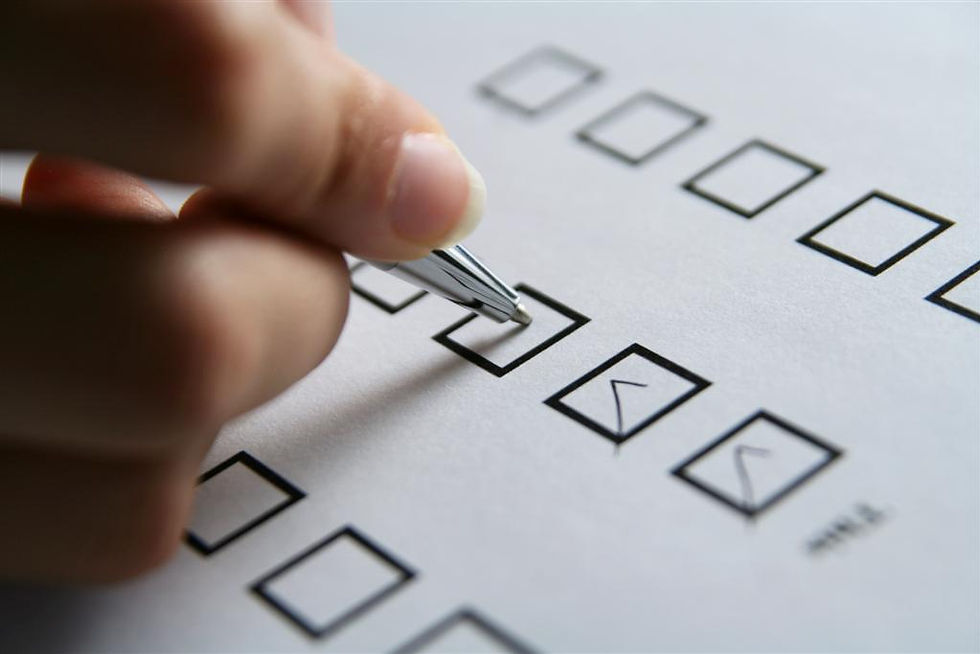
April in the community college world is a unique beast. On one side, you’re sprinting toward the finish line—finalizing year-end celebrations, prepping for graduation, and cheering on students as they cross the stage. On the other side, the pressure of next year is already mounting as we pivot to enrolling the summer and fall students.
It is a season of high-octane excitement and, if we’re being honest, a fair amount of exhaustion.
When we are in the thick of it, it’s easy to lead by "feel." We feel like the team is tired; we feel like our processes worked; we feel like we served students well. But feelings are subjective, and subjectivity is a shaky foundation for improvement. To truly cultivate growth, we need to move from "I think" to "I know."
That’s why April is an end of academic year month to collect data. By launching three quick, targeted surveys now, I can turn the whirlwind of the academic year into objective measures that guide our summer planning.
1. The Department Engagement Survey
Every year, I measure the "vibe" of each department I oversee. I want to know: Are people connected to the mission? Do they feel supported? We use this to measure year-over-year change. A quick 12 question survey allows us to do this.
More importantly, this data becomes a part of our summer department retreats. Instead of guessing how to improve morale, we have a clear map of where engagement is lagging and where it’s thriving. It allows the team to have honest, data-driven conversations about how we can improve our culture before the fall surge hits.
2. The Internal Customer Satisfaction Survey
In Student Services, we often talk about serving students, but we frequently forget that we also serve each other. We need to be excellent internal partners to our faculty and administrative colleagues.
I send a simple survey to the entire campus asking them to rate the departments I supervise on a 5-point scale—from completely satisfied (5) to not at all satisfied (1). It’s a reality check. If a department thinks they are doing great, but the rest of campus is struggling to work with them, we have a clear objective to tackle over the summer.
In addition, as a Dean or previously as a Vice President, I usually get people best side and hear about the highlights. It takes work to honestly see how we work with others across and down the organizational chart.
3. The Graduate Service Survey
We all have the goal of serving students well, but unless we measure it at the finish line, how do we know if we’re actually getting better?
I love collecting data from our graduates about the service they received throughout their journey. Was the financial aid process smooth? Did they feel supported by advising? Graduation is an emotional high, but their feedback provides the objective evidence we need to see if our tactical projects are actually fulfilling our strategic vision.
This is a key piece of data, I've been missing the last couple years. For colleges that don't have a tradition of collecting this information it is important to think about how.
From Subjective to Strategic
These three surveys are quick to create and even quicker to complete. They take the "stress-induced" guesses of April and turn them into the "growth-focused" plans of June and July.
When we measure our work, we stop reacting to the loudest voice in the room and start leading with clarity. We transition from just "getting through" the year to intentionally building a better one.
Are you using data to prep for your summer retreats? Do you have a good way to get objective feedback from your students? If you’re curious about the specific questions I use or how I structure these forms, feel free to reach out. I’d love to share what I’ve learned and help you cultivate a stronger team this summer.


Comments